
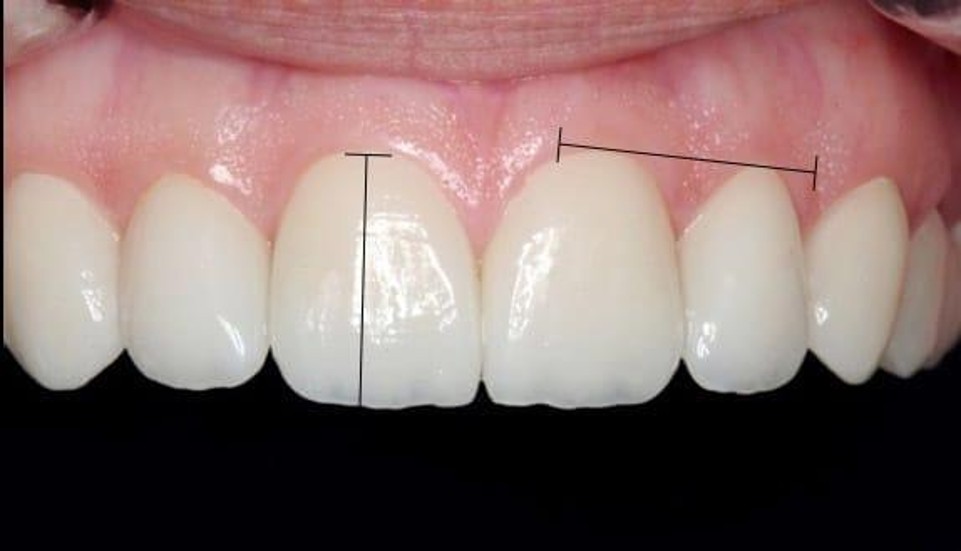
A smile is never just about the teeth. The gum tissue framing them carries just as much weight in how balanced, natural and finished a result looks. At Smile Art Lab, a Sydney dental laboratory, we work alongside dentists every day to translate gum architecture into predictable, aesthetic outcomes. This article looks at why gingival form deserves the same attention as tooth shape when planning a smile.
Key Takeaways
- Gum shape and symmetry frame every smile design case.
- Gingival phenotype influences healing, stability, and final appearance.
- Digital tools help map gum contours before treatment begins.
- Small adjustments to gum height can transform tooth proportion.
- Close dentist and lab collaboration supports natural, lasting results.
What Is Gum Architecture, Exactly?
Gum architecture refers to the shape, thickness, height, and scalloping of the tissue surrounding each tooth. Teeth could be perfectly white and straight, yet if the gum line sits unevenly or shows too much tissue, the overall smile can still look unfinished. Data from the Australian Institute of Health and Welfare shows that gum disease remains widespread across the country, which makes healthy, well-proportioned gum tissue a genuine clinical priority rather than simply a cosmetic one.
Clinicians assess gingival phenotype, including tissue thickness and the width of keratinised tissue. A thin phenotype may be associated with a higher risk of recession in certain clinical situations, but it does not necessarily require grafting. The treating clinician must assess the periodontal health, bone level, tissue dimensions and proposed restorative margins before deciding whether periodontal treatment is required.
Why Gingival Phenotype Changes the Plan
Understanding gingival Phenotype, sometimes referred to now as periodontal phenotype, sits at the centre of predictable smile design. Research published in the Australian Dental Journal highlights how periodontal tissue patterns vary widely across the population, which is why individual assessment matters more than a single standard approach. A thinner phenotype may require more careful handling, while treatment decisions regarding grafting or crown margins should be based on the clinician’s assessment of the individual case. A thicker phenotype may offer different considerations, but treatment should likewise be tailored to the patient’s specific clinical needs.
For dentists sending a case through to a laboratory, sharing this detail early avoids costly revisions later. A crown or veneer designed without accounting for gum thickness might fit beautifully on a model, yet sit awkwardly once seated, simply because the surrounding tissue behaves differently than expected.
Mapping Contours With Digital Smile Design
This is where digital smile design earns its keep. Using photographs, scans, mock-ups, and 3D wax-up modelling, our team can help propose the visible gingival contours and show how the gum line may look in relation to the planned restorations. However, it is important to recognise that photographs and intraoral scans capture the visible and scanned surfaces; they do not establish the underlying bone level or the supracrestal tissue attachment. These biological factors must be assessed clinically by the treating dentist when determining the appropriate position of the final gingival margin.
The Sydney Dental School has highlighted digital scanning and 3D printing as important tools reshaping planning for restorative and cosmetic dentistry across the profession. That shift is reflected in how laboratories such as ours support dentists during the design and planning stages of a case.
Through our Digital Dentistry service, dentists can preview how a proposed gum line will interact with new restorations and refine the restorative design before treatment. While this digital process can provide a useful visual guide and reduce guesswork, it does not replace the dentist’s clinical assessment of the underlying periodontal structures. This helps establish clearer expectations while ensuring the final treatment plan accounts for the biological considerations that digital records alone cannot determine.
Digital planning provides an aesthetic proposal and communication reference. The treating clinician must confirm the underlying periodontal conditions clinically and, where indicated, radiographically before selecting the appropriate procedure.
A well-planned digital wax-up typically considers:
- The zenith point of each tooth, the most apical point of the gingival margin
- Symmetry between the central incisors and canines
- The size and fullness of the papilla, the small triangle of gum between teeth
- The overall tooth proportions and the amount of gingival display.
Common Gum Related Adjustments
Several techniques help refine gum architecture as part of a broader smile design case:
- Crown lengthening, which may involve reshaping the soft tissue alone or both the soft tissue and supporting bone, depending on the diagnosis, to expose more tooth structure
- Gingivectomy or laser contouring, used to reshape an uneven or excessive gum line
- Soft tissue grafting, applied where thin tissue has receded and needs reinforcing
- Orthodontic intrusion, used alongside restorative work only in selected, clinically diagnosed cases to reduce gum display.
The Conversation has reported on the significant number of Australians dealing with dental health concerns, a reminder that smile design decisions often sit alongside broader oral health rather than being purely cosmetic. Gum contouring has become one of several treatments Australians now associate with a confident, balanced smile, while coverage from Dental News Australia has tracked the rising interest in digitally guided, natural-looking cosmetic outcomes across the country.
Why the Dentist and Lab Relationship Matters
None of this happens in isolation. The most reliable smile design outcomes come from close, ongoing communication between the treating dentist and the laboratory building the restorations. Sharing scans, photographs and clinical notes allows the laboratory to develop crowns, veneers or bridges with an appropriate emergence profile and a well-considered relationship between the restoration margins and surrounding tissue, helping the final restorations integrate naturally with the smile.
At Smile Art Lab, our Digital Smile Design approach leans on this exact principle. Gum architecture is not an afterthought; it is one of the first things considered.
Conclusion
Getting the gum framework right takes patience, the right technology and a laboratory that treats soft tissue with the same seriousness as tooth shape. If you are a dentist looking for a laboratory partner that factors gum architecture into every smile design case from the outset, get in touch with us today, and let us build smiles that look right from every angle.
FAQs
What is gum architecture in dentistry?
It describes the shape, height, thickness and scalloping of gum tissue surrounding teeth, all shaping smile aesthetics.
Why does gingival phenotype matter in smile design?
Phenotype affects healing, recession risk and how tissue responds to restorative work.
Does every gum-lift case require bone surgery?
No. Smile Art Lab accounts for the visible soft-tissue architecture when designing restorations. However, we do not treat soft tissue or determine clinical gingival margins; these decisions are made by the treating clinician.
How does digital smile design help with gum planning?
It lets dentists preview gum contours and proportions using scans and 3D wax ups before treatment begins.
Does gum health affect smile design outcomes?
Yes, healthy and stable tissue is essential for predictable, long lasting restorative and cosmetic results.
How can dentists work with Smile Art Lab on gum related cases?
Dentists can share scans, photos and phenotype notes with our team early for tailored digital planning.