
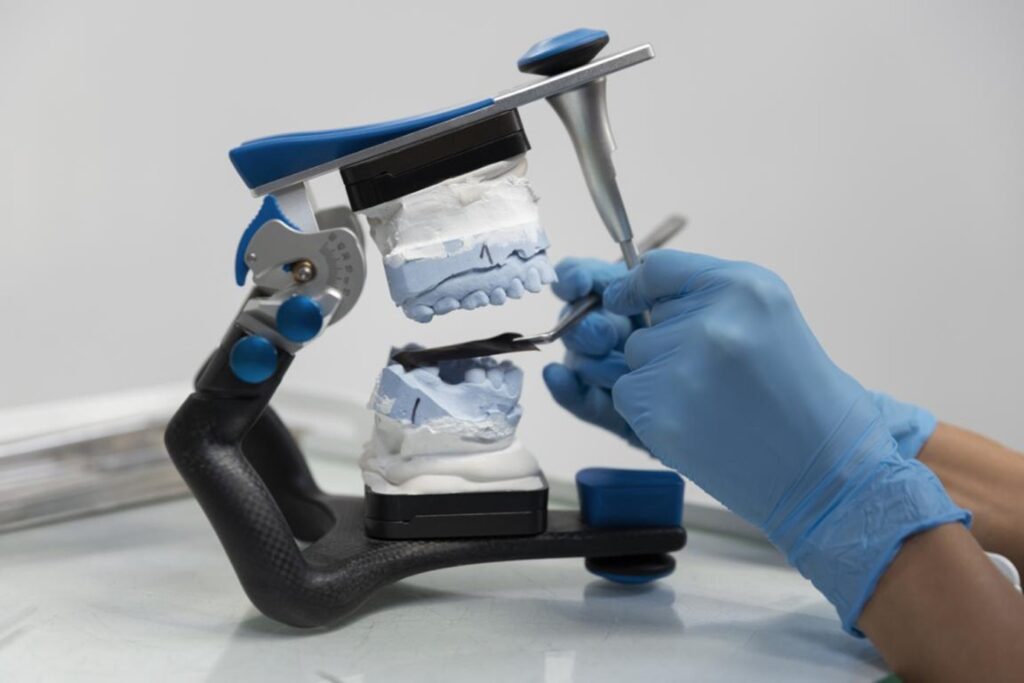
As 2026 approaches, the dental implant industry is rapidly advancing, introducing innovative solutions that redefine the possibilities of both technology and care. Staying ahead of trends is crucial for delivering the most advanced 3D dental solutions to dental professionals. At Smile Art Lab, the focus is on providing the latest innovations to ensure dental professionals are equipped with cutting-edge tools. From cutting-edge materials to more precise implant placement techniques, the future of dental implants looks promising. This article explores the top six trends shaping the industry in 2026, providing dental professionals with the insights needed to stay competitive.
Key Takeaways
- 3D printing enhances the speed and accuracy of dental implant procedures.
- Nanotechnology improves implant materials for better durability and biocompatibility.
- AI transforms implant planning with more accurate and predictive treatment strategies.
- Minimally invasive techniques offer faster recovery and reduced risk for dental implants.
- Biocompatible coatings help implants integrate better and heal faster.
6 Key Dental Implant Trends to Watch in 2026
As dental technology progresses, 2026 promises exciting new developments in implant procedures. From innovative 3D printing techniques to the integration of AI for more precise planning, the future of dental implants looks brighter than ever. Staying ahead of these trends is crucial for dental professionals aiming to offer the best solutions to clients. Here are the top 6 trends set to shape the dental implant industry in the coming year.
1. 3D Printing and Digital Impressions
3D printing has transformed dental implants, offering an unprecedented level of precision and efficiency. Digital impressions eliminate the need for traditional moulds, significantly reducing discomfort and ensuring a more accurate fit for implants. Custom implants can now be designed and manufactured with remarkable speed, dramatically cutting down the time required for implant procedures.
Key Benefits:
- Customisation: Implants are specifically tailored to each individual’s unique anatomy, ensuring a perfect fit and a more natural look.
- Speed: The advanced technology enables faster production, meaning reduced waiting times and quicker turnaround for dental professionals.
- Accuracy: Enhanced precision results in fewer complications during the procedure, leading to more successful outcomes and fewer adjustments.
2. Nanotechnology in Implant Materials
Nanotechnology is making remarkable advancements in the materials used for dental implants. By manipulating materials at the molecular level, this technology produces stronger, more durable, and highly biocompatible implants that resist wear and tear better than ever before. These advanced materials also improve the integration of implants with bone, increasing long-term success.
Why It Matters:
- Enhanced Durability: Nanotechnology enables the creation of longer-lasting implants that withstand the rigours of daily use while maintaining strength and stability.
- Better Integration: The use of advanced materials improves the osseointegration process, meaning implants bond more securely to the bone for higher success rates.
- Improved Safety: With reduced risk of failure, nanotechnology also helps in reducing the chances of infection and other complications associated with traditional implant materials.
3. Artificial Intelligence for Implant Planning
Artificial Intelligence (AI) is becoming a key player in dental implant planning. By analysing 3D scans, imaging data, and patient-specific factors, AI can assist in predicting the most suitable placement of implants. This advanced technology allows for the development of highly customised treatment plans, reducing human error and optimising the overall treatment process.
Key Advantages:
- Precision: AI-powered analysis ensures that implant placement is highly accurate, reducing the likelihood of misalignment and ensuring the best fit.
- Predictive Analytics: AI can identify potential complications before arising, allowing for proactive adjustments and reducing the need for corrective procedures.
- Optimised Treatment Plans: AI creates tailored treatment plans that take into account a patient’s unique characteristics, leading to more successful and predictable outcomes.
4. Minimally Invasive Implant Techniques
In recent years, there has been a shift toward minimally invasive techniques for dental implants, which focus on reducing recovery time and minimising patient discomfort. These techniques involve smaller incisions, fewer steps, and more precise placement, enabling dental professionals to achieve optimal results with less invasive surgery.
Benefits of Minimally Invasive Implants:
- Faster Recovery: Smaller incisions and reduced trauma to surrounding tissues result in quicker healing and less post-operative discomfort.
- Reduced Pain: By minimising the invasiveness of the procedure, there is less pain both during and after surgery, which shortens recovery times.
- Lower Risk of Complications: Fewer surgical steps and reduced tissue disruption reduce the likelihood of complications such as infections, swelling, or improper healing.
5. Implant Restoration with 3D Scanning and Milling
The restoration process for dental implants is continuously improving with the advent of 3D scanning and milling technologies. These tools help create perfectly fitted restorations such as crowns, bridges, and other dental components. Digital milling allows for faster, more accurate production, often completing the restoration in a single visit, reducing the need for multiple appointments.
What This Means for Implant Restoration:
- Speed: Restorations can now be completed much faster, with some procedures being finished in just one visit, saving time for both dental professionals and clients.
- Precision: The accuracy of 3D scanning and milling ensures that restorations fit perfectly, reducing the need for adjustments and improving overall patient satisfaction.
- Reduced Need for Adjustments: Fewer follow-up visits are required due to the high level of precision, allowing for a more efficient and streamlined treatment process.
6. Biocompatible Coatings for Implants
The growing focus on biocompatible coatings for dental implants is transforming the way implants heal and integrate with bone. These advanced coatings not only improve the bond between the implant and the bone but also accelerate the healing process. Bioactive materials incorporated into these coatings encourage bone growth and reduce the risk of implant rejection.
Advantages of Biocompatible Coatings:
- Accelerated Healing: Coatings help to promote faster healing around the implant, allowing for quicker recovery and fewer complications.
- Improved Osseointegration: The coatings strengthen the connection between the implant and bone, ensuring long-lasting stability and reducing the chance of implant failure.
- Reduced Infection Risk: By encouraging faster healing and providing a more secure bond, these coatings help to minimise the risk of infection and other complications following surgery.
Conclusion
The landscape of dental implants is changing rapidly, driven by technological advancements in 3D printing, AI, and material science. As these trends continue to evolve, dental professionals must stay informed to deliver the highest quality services to clients. Smile Art Lab is committed to offering the latest in 3D dental solutions to help dental professionals stay at the forefront of these exciting developments. Get in touch with us to learn more about how these trends can improve dental implant procedures.
FAQs
What is the role of 3D printing in dental implants?
3D printing allows for custom-designed implants with high precision and speed, improving accuracy and reducing treatment time.
How does AI assist in dental implant planning?
AI helps in analysing scans and creating precise implant placement strategies, leading to improved outcomes and reduced complications.
What are biocompatible coatings in dental implants?
Biocompatible coatings are used to enhance healing and integration of the implant with bone, reducing risks of infection and promoting faster recovery.
How do minimally invasive implant techniques differ from traditional methods?
Minimally invasive techniques use smaller incisions and fewer steps, leading to less discomfort and faster recovery.
Can digital milling replace traditional implant restoration methods?
Yes, digital milling offers faster, more accurate restorations, often completed in a single visit, improving efficiency and reducing the need for adjustments.