
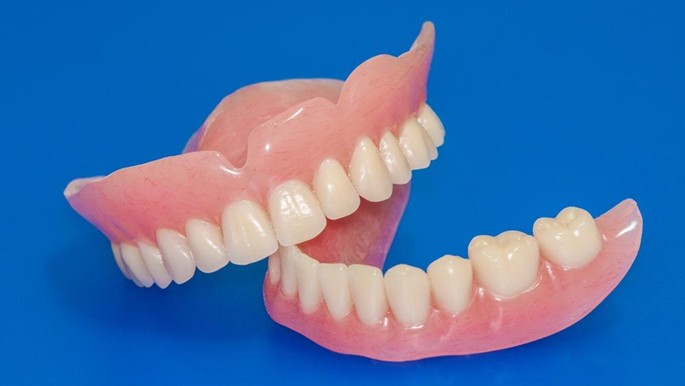
Digital denture technology has fundamentally changed the way removable prosthodontics are planned, fabricated, and delivered. For dental clinics treating senior and edentulous patients, digital workflows provide a structured, repeatable, and highly accurate alternative to conventional denture fabrication. Through CAD/CAM systems, digital impressions, and advanced materials, practices can achieve greater consistency while reducing remakes, chair time, and clinical uncertainty. At Smile Art Lab, digital denture workflows are designed to support clinicians with predictable outcomes, efficient communication, and restorations that prioritise fit, function, and long-term stability for senior patients.
Key Takeaways
- Digital dentures deliver improved accuracy and fit consistency
- CAD/CAM workflows reduce clinical variability and remakes
- Digital records simplify future relines, repairs, and reproductions
- Modern materials offer durability, aesthetics, and wear resistance
- Streamlined workflows support efficiency across clinical and lab stages
Understanding Digital Dentures from a Clinical Perspective
Digital dentures integrate intraoral or lab-based scanning, computer-aided design, and milled or 3D-printed fabrication to produce highly controlled prosthetic outcomes. Unlike traditional techniques that rely heavily on manual steps and technician interpretation, digital systems allow clinicians and laboratories to work from the same precise data set.
This approach improves predictability at every stage from impression accuracy through to occlusion, tooth positioning, and base adaptation. For practices managing senior patients, this consistency plays a key role in reducing post-delivery complications and adjustment appointments.
Why Digital Dentures Matter in Senior Care Dentistry
Digital dentures help address common challenges in senior care, including fit, stability, and long-term wear. Design and fabrication are now more controlled and consistent, helping reduce common issues seen with conventional dentures as digital dentistry continues to evolve. This supports comfortable function and makes ongoing denture management more straightforward for older patients.
1. Improved Fit and Tissue Adaptation
High-resolution digital impressions capture anatomical detail with exceptional accuracy. This allows dentures to be designed with refined border extensions and even pressure distribution, helping reduce sore spots, instability, and soft tissue irritation commonly associated with conventional dentures.
2. Functional Reliability
Stable occlusion and balanced articulation are essential for chewing efficiency and speech clarity in senior patients. Digital design software enables precise control over bite relationships and functional movements, resulting in dentures that perform reliably in daily use.
3. Consistent Aesthetics
Digital tooth libraries and design tools give clinicians and technicians greater control over tooth arrangement, midline, occlusal plane, and facial support. This supports natural-looking outcomes while maintaining repeatability across cases.
4. Efficient Adjustments and Remakes
One of the most significant clinical advantages is digital record retention. Stored design files allow rapid reproduction or modification without restarting the entire clinical process, particularly valuable for seniors who may require relines, replacements, or repairs over time.
The Digital Denture Workflow for Dental Clinics
Digital Impressions and Data Capture
Digital or scanned impressions reduce distortion and eliminate many variables associated with conventional moulds. This improves patient comfort while providing a reliable foundation for downstream design and fabrication.
CAD-Based Denture Design
Using advanced CAD software, technicians assess occlusion, vertical dimension, aesthetics, and functional parameters. This data-driven process supports predictable outcomes and improves alignment between clinical intent and laboratory execution.
CAM Fabrication: Milling or 3D Printing
Dentures are fabricated using high-performance polymers through milling or additive manufacturing. Techniques such as 3D printing allow for improved density, strength, and surface finish compared to traditional acrylics, while maintaining lightweight comfort for patients.
Delivery and Reduced Chairside Adjustments
Because the digital process minimises distortion and inconsistency, dentures often require fewer post-insertion adjustments. This reduces chair time, enhances patient satisfaction, and supports smoother clinical workflows.
Practice-Level Benefits of Digital Dentures
Reduced Remakes and Adjustments
Digital accuracy significantly lowers the risk of ill-fitting prostheses, saving time and reducing operational costs associated with remakes.
Improved Lab–Clinic Communication
Shared digital files enable clearer communication between clinicians and laboratories, ensuring design intent is maintained throughout the fabrication process.
Long-Term Patient Management
Digital archives allow practices to efficiently manage long-term denture patients by simplifying repairs, replacements, and future modifications without repeating full clinical records.
Durable, Modern Materials
Contemporary digital denture materials are engineered for strength, stain resistance, and wear longevity, supporting dependable outcomes for senior patients with long-term prosthetic needs.
Selecting a Digital Denture Laboratory Partner
For dental clinics, successful digital denture outcomes depend heavily on laboratory expertise. An effective lab partner should offer:
- Established digital workflows
- CAD/CAM proficiency
- High-quality material selection
- Clear clinician communication
- Consistent turnaround and repeatability
A structured digital approach allows practices to deliver reliable removable prosthodontic solutions while maintaining efficiency and clinical confidence.
Conclusion
Digital dentures provide dental clinics with a predictable, scalable, and future-ready solution for senior patient care. By integrating advanced scanning, CAD/CAM design, and modern materials, practices can improve fit accuracy, reduce chair time, and support long-term patient satisfaction. At Smile Art Lab, digital denture fabrication is guided by precision, consistency, and collaborative clinical support, enabling dental professionals to deliver dependable outcomes in every case. For digital denture services and laboratory collaboration, contact us today.
FAQs
1. What defines a digital denture workflow?
Digital dentures use scanned impressions, CAD design, and CAM fabrication to improve accuracy and consistency.
2. Are digital dentures clinically more predictable?
Yes. Reduced manual steps lead to fewer variables and more reliable outcomes.
3. Do digital dentures reduce adjustment appointments?
In most cases, improved fit and occlusal accuracy reduce chairside adjustments.
4. Can digital dentures be easily remade or modified?
Stored design files allow efficient reproduction without repeating full clinical records.
5. Are digital dentures suitable for senior patients?
Yes. Stability, comfort, and simplified long-term management make digital dentures particularly effective for senior care.
6. What materials are used in digital dentures?
High-performance polymers designed for strength, aesthetics, and long-term durability.