
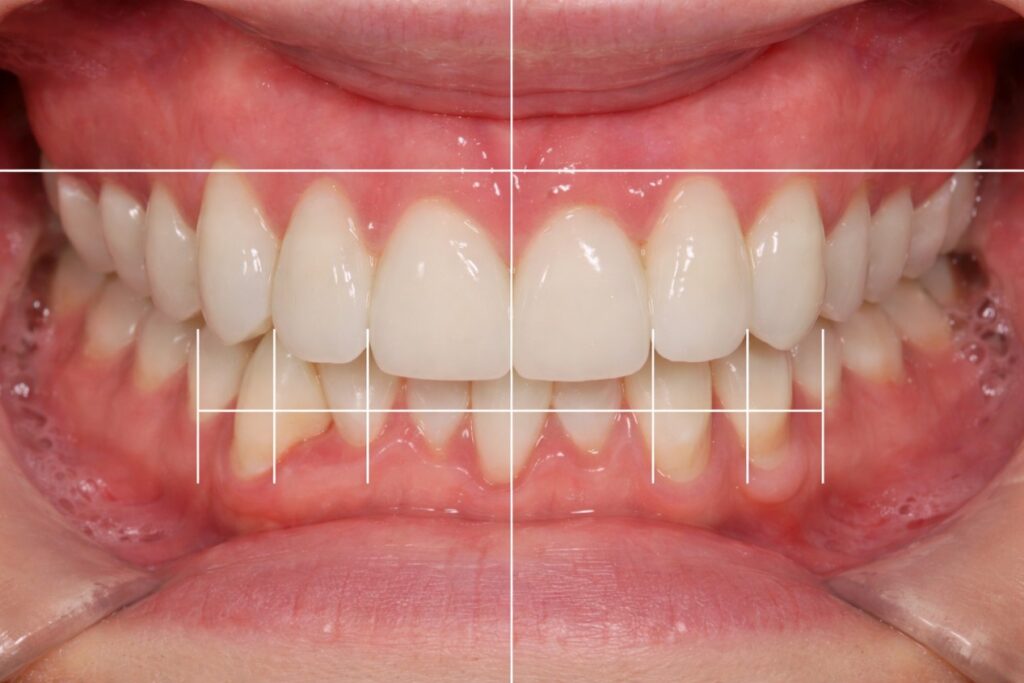
Digital Smile Design has reshaped how restorative and cosmetic cases are planned, communicated, and delivered. At Smile Art Lab, advanced 3D workflows are used to align clinical vision with laboratory precision, helping practices move from concept to outcome with confidence. This approach blends facial analysis, digital modelling, and restorative planning into a single, structured process. The result is clarity, predictability, and a measurable improvement in clinical efficiency across modern dental workflows.
Key Takeaways
- DSD improves diagnostic and planning accuracy
- 3D workflows reduce remakes and revisions
- Digital planning strengthens clinic-laboratory communication
- Structured design leads to predictable outcomes
Understanding Digital Smile Design
- Digital Smile Design (DSD) is a planning methodology that integrates facial dynamics, dental proportions, and digital modelling into a unified visual system. When combined with 3D technology, DSD moves beyond static imagery and introduces spatial accuracy into the planning process.
- Rather than relying on assumption-based planning, DSD enables clinicians and dental laboratories to work from shared digital references. This alignment improves consistency across diagnosis, design, and final fabrication stages.
Key Clinical Benefits of Digital Smile Design for Modern Dental Practices
Digital Smile Design introduces a structured, visual approach to dental planning that enhances clinical accuracy and consistency. By combining facial analysis with digital and 3D design tools, treatment decisions become clearer and more predictable. This methodology supports stronger alignment between diagnosis, design, and fabrication, resulting in improved workflow efficiency and greater control over clinical outcomes.
1. Improved Diagnostic Precision
DSD strengthens diagnostic clarity through the integration of facial photographs, intraoral scans, and 3D data.
Key diagnostic benefits include:
- Visual correlation between facial features and dental structures, allowing dental proportions to be assessed in relation to facial symmetry, lip dynamics, and overall harmony.
- Clear identification of asymmetry and proportion imbalance, supporting more accurate evaluation of tooth positioning, spacing, and alignment before restorative planning begins.
- Early detection of occlusal and functional challenges, helping identify potential bite issues or functional constraints at the planning stage, rather than during fabrication.
When diagnosis is guided by structured visual data, treatment decisions are made with greater certainty and reduced revision.
2. Predictable Treatment Planning
Predictability is one of the strongest clinical advantages of DSD. Each design stage is digitally mapped before fabrication begins.
This process enables:
- Accurate preview of final restorative outcomes, allowing proportions, contours, and spatial relationships to be assessed digitally before any physical work is produced.
- Reduced reliance on manual adjustments, as design decisions are finalised within the digital planning phase rather than corrected during fabrication or fitting.
- Strong alignment between clinical intent and laboratory execution, ensuring the approved digital design is translated precisely into the final restoration.
Digitally planned restorations deliver outcomes that are repeatable rather than interpretive.
3. Clear Communication Between Clinic and Laboratory
DSD establishes a shared digital language between clinicians and dental laboratories.
Communication improvements include:
- Precise design instructions delivered through annotated digital files, ensuring contours, proportions, and material requirements are clearly defined at the planning stage.
- Reduced ambiguity during case handover, as visual references and structured data minimise misinterpretation between planning and fabrication.
- Faster turnaround times due to fewer clarification requirements, allowing workflows to progress without delays caused by incomplete or unclear information.
This clarity is particularly valuable for complex restorative or aesthetic cases involving multiple design variables.
4. Enhanced 3D Visualisation of Outcomes
Traditional planning often relies on two-dimensional references. DSD combined with 3D design introduces spatial accuracy that improves outcome control.
Advantages of 3D visualisation include:
- Accurate depth, contour, and emergence profile planning, allowing restorations to be designed with precise spatial relationships and anatomical accuracy.
- Realistic assessment of functional movement, supporting evaluation of occlusion, articulation, and dynamic interactions during function.
- Improved compatibility with CAD/CAM manufacturing, ensuring digital designs translate reliably into milled or printed restorations.
Three-dimensional design ensures restorations are both visually refined and structurally sound.
5. Reduced Remakes and Adjustments
Remakes require significant time and resources. DSD reduces remake rates by aligning expectations early in the planning phase.
Clinical efficiencies include:
- Fewer chairside corrections, as restorative designs are finalised digitally before fabrication, reducing the need for post-production modifications.
- Reduced laboratory revisions, with clearer design parameters limiting rework caused by misalignment or unclear instructions.
- More consistent fit and aesthetic outcomes, achieved through accurate digital planning and controlled fabrication processes.
When digital planning guides fabrication, variability is reduced across each production stage.
6. Structured Workflow Integration
DSD integrates effectively with modern digital dentistry systems.
This structured workflow supports:
- Accurate CAD/CAM milling and 3D printing, ensuring digital designs are transferred precisely into physical restorations without loss of detail.
- Compatibility with guided restorative protocols, allowing digital planning to align with surgical and restorative workflows.
- Scalable case management for growing practices, supporting consistent processes across increasing case volumes and varying levels of complexity.
DSD functions as a framework rather than a standalone tool, supporting long-term digital adoption.
7. Elevated Professional Credibility
A digitally structured approach reflects a higher standard of planning and execution.
Professional advantages include:
- Stronger case documentation, supported by structured digital records that improve traceability, review, and long-term reference.
- Consistent presentation quality, ensuring designs, visuals, and planning materials follow a uniform standard across cases.
- Improved trust during interdisciplinary collaboration, as clearly defined digital plans support confidence among clinical and technical teams.
DSD positions dental practices as forward-focused and detail-oriented within the industry.
Conclusion
Digital Smile Design has become a cornerstone of modern dental planning, particularly when paired with advanced 3D technology. At Smile Art Lab, structured digital workflows support accuracy, consistency, and professional collaboration at every stage of restoration design. For practices seeking refined outcomes through precision-driven planning, engaging with Smile Art Lab offers a clear pathway to advanced digital integration. Contact us to discuss tailored 3D dental design solutions.
FAQs
What is Digital Smile Design used for?
Digital Smile Design is used to plan restorative and aesthetic dental work by combining facial analysis, digital imaging, and 3D modelling into a structured planning process.
How does DSD support 3D dental workflows?
DSD integrates with CAD/CAM systems, enabling digital designs to transition accurately into milling or 3D printing workflows.
Is DSD suitable for complex restorative cases?
DSD is well-suited to complex restorative cases that require precise proportion control and coordination across multiple units.
Does DSD reduce treatment time?
Improved planning accuracy through DSD often leads to fewer adjustments and more efficient overall case timelines.
How does DSD improve collaboration with dental laboratories?
DSD provides clear digital references and structured design files that reduce interpretation errors during fabrication.
Can DSD be integrated into existing digital systems?
Most modern intraoral scanners and CAD platforms support DSD-based workflows, allowing integration into existing digital environments.