
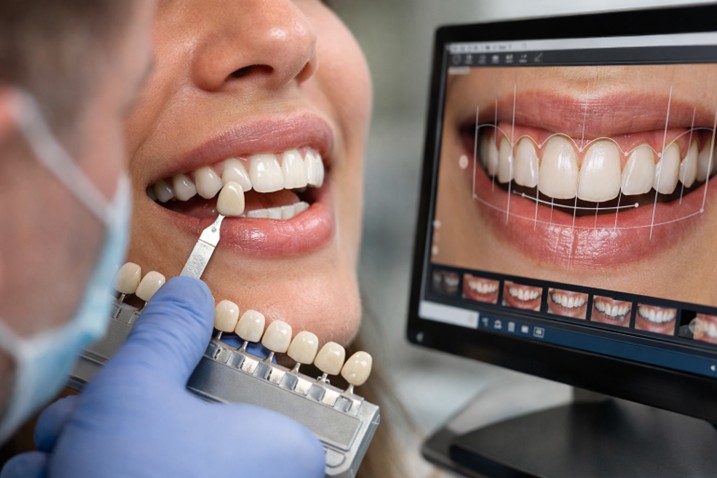
Digital Smile Design has reshaped modern dentistry, but outcomes depend entirely on how it is applied. At Smile Art Lab, regular collaboration with dental professionals across Australia highlights where Digital Smile Design (DSD) delivers clarity and where it quietly falls short. This article outlines five common errors that reduce predictability, weaken 3D workflows, and limit the true value of digital planning. Correcting these issues allows design, communication, and execution to align with greater accuracy.
Key Takeaways
- Digital Smile Design is a planning system, not a cosmetic overlay
- Data quality directly influences digital accuracy
- Facial analysis is essential for visual harmony
- Clear collaboration reduces revisions
- Iterative workflows improve predictability
Understanding the Role of DSD in Modern Dentistry
Digital Smile Design is not a single software step. It is a structured planning methodology that brings together multiple digital disciplines commonly adopted within modern dental practices, including:
Facial analysis, used to assess proportions, symmetry, and reference planes
Digital photography and calibrated video, providing accurate visual data for planning and evaluation
Intraoral scanning, capturing precise dental anatomy for digital integration
3D dental design and CAD/CAM workflows, supporting accurate translation from digital planning to fabrication
When this structure is followed carefully, Digital Smile Design supports predictable and repeatable outcomes across a wide range of dental practices. When the process is simplified or rushed, inconsistencies tend to appear early and often carry through the entire workflow.
Key Digital Smile Design Errors That Affect Predictability
Digital Smile Design has become a cornerstone of modern dental planning. However, its effectiveness relies on precision, structure, and workflow discipline. When applied without a clear framework, even advanced digital tools can produce inconsistent results. The following sections outline common Digital Smile Design errors and explain how these issues influence 3D accuracy, communication, and overall predictability.
Error 1: Treating DSD as a Visual Overlay Only
One of the most common mistakes is using Digital Smile Design purely as a cosmetic visual rather than a diagnostic planning system.
Why does this create problems?
- Facial proportions are not fully assessed, which can lead to smile designs that appear disconnected from overall facial balance and natural symmetry.
- Functional considerations are excluded, meaning occlusion, bite dynamics, and long-term stability are not adequately factored into the design process.
- Smile proposals lack biomechanical grounding, increasing the risk of designs that look appealing on screen but are difficult to translate into predictable restorative outcomes.
Digital Smile Design was developed to integrate facial reference points, dental anatomy, and restorative objectives into a unified planning framework. Limiting its use to surface-level visuals significantly reduces its diagnostic and predictive value.
Error 2: Inconsistent or Poor-Quality Data Capture
Every digital workflow depends on the quality and consistency of its input data. When foundational records are inaccurate, errors are carried forward through each stage of the digital process.
Frequent data capture issues include:
- Incorrect head positioning during photography, which alters facial reference lines and affects midline, cant, and proportional analysis.
- Uneven or uncalibrated lighting creates shadows or distortions that interfere with the accurate assessment of facial contours and dental visibility.
- Inconsistent video angles limiting reliable evaluation of facial dynamics, lip movement, and smile behaviour.
- Inaccurate or incomplete intraoral scans result in compromised alignment between facial data and 3D dental models.
These inconsistencies distort facial references and reduce 3D accuracy at later stages of the workflow, making reliable digital planning more difficult.
Error 3: Ignoring Facial Analysis in 3D Planning
A smile exists within the context of the face, yet many Digital Smile Design workflows focus primarily on dental alignment rather than full facial integration.
Common oversights include:
- Lack of facial symmetry assessment, which can result in smile designs that do not align with natural facial balance or overall proportions.
- No consideration of lip movement limits the ability to evaluate how the smile appears during speech, expression, and natural facial motion.
- Midline discrepancies not referenced to facial landmarks, increasing the risk of designs that are technically centred dentally but misaligned visually within the face.
Facial-driven planning is a foundational principle of Digital Smile Design. Without this approach, restorations may appear technically correct but visually disconnected from the surrounding facial structure.
Error 4: Weak Communication Between Clinics and 3D Design Teams
Digital Smile Design relies on structured collaboration between clinical and digital design teams. Problems arise when communication lacks clarity, consistency, or defined parameters.
Typical breakdowns include:
- Vague or incomplete design briefs, which leave key planning details open to interpretation and increase the risk of misaligned design outcomes.
- Undefined aesthetic priorities make it difficult to determine proportional goals, shape preferences, or visual expectations at the design stage.
- Missing functional parameters, such as occlusal considerations or spatial constraints, are essential for translating digital designs into workable restorations.
These gaps often lead to unnecessary revisions, extended turnaround times, and inconsistent outcomes across the digital workflow.
Error 5: Treating DSD as a One-Off Step
Another frequent issue is viewing Digital Smile Design as a single checkpoint rather than an evolving process within the broader digital workflow.
This often leads to:
- No iterative refinement, limiting opportunities to adjust the design as additional data, feedback, or technical considerations emerge.
- Limited validation against final restorations increases the risk of discrepancies between the approved digital design and the manufactured outcome.
- Poor alignment with manufacturing constraints, where design concepts do not fully account for material limitations, milling requirements, or production tolerances.
Digital Smile Design should progress alongside design development and production planning. Treating it as a static deliverable reduces overall precision and predictability.
How a Structured 3D Workflow Resolves These Issues
A refined Digital Smile Design workflow typically includes the following key components, each contributing to greater accuracy and predictability.
- Standardised photography and scanning protocols, ensuring consistent facial references, reliable measurements, and accurate alignment across all digital records.
- Facial-driven digital analysis, allowing smile designs to be developed in harmony with facial proportions, symmetry, and natural expression rather than dental alignment alone.
- Clear documentation of design intent, providing precise guidance on aesthetic goals, functional priorities, and spatial considerations throughout the workflow.
- Iterative 3D refinement, enabling ongoing adjustments and validations as designs progress from planning to production-ready models.
- Alignment with CAD/CAM production requirements, ensuring digital designs are practical, manufacturable, and consistent with material and technical constraints.
Specialist 3D dental design support plays an important role in translating clinical intent into accurate digital outputs, strengthening communication and reducing the risk of downstream errors.
Conclusion
Digital Smile Design delivers meaningful results only when applied with structure, accuracy, and collaboration. At Smile Art Lab, support is provided to dental professionals seeking precision-focused 3D workflows that seamlessly connect planning, design, and production. To refine Digital Smile Design processes and strengthen digital outcomes, contact us for expert 3D dental design support.
FAQs
What is Digital Smile Design used for?
Digital Smile Design is used to plan dental restorations through facial analysis, calibrated imagery, and 3D modelling to support accurate and predictable outcomes.
Is Digital Smile Design limited to cosmetic cases?
No. Digital Smile Design supports restorative, prosthodontic, and multidisciplinary planning by aligning aesthetics with functional objectives.
Why is facial analysis essential in Digital Smile Design?
Facial analysis ensures digital designs align with natural facial proportions and dynamics rather than focusing solely on dental alignment.
Can Digital Smile Design integrate with CAD/CAM workflows?
Yes. Digital Smile Design integrates directly with CAD/CAM systems, allowing a smooth transition from digital planning to manufacturing.
How does 3D dental design support Digital Smile Design?
3D dental design improves precision, reduces interpretation errors, and strengthens communication between clinics and laboratories.
Is specialist 3D design support valuable for Digital Smile Design workflows?
Yes. Specialist support helps translate design intent into accurate digital outputs, improving efficiency and consistency.