
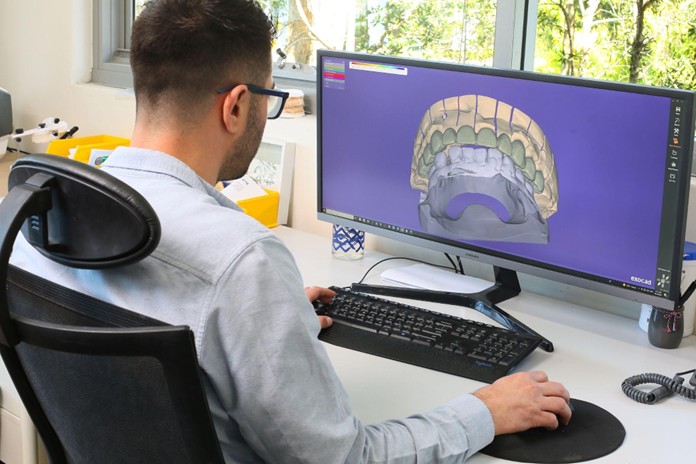
Digital Smile Design has shifted the way restorative and cosmetic cases are planned, communicated, and delivered. At Smile Art Lab, precision-led 3D smile design allows dentists to visualise outcomes before treatment begins, strengthening diagnostic confidence and clinical understanding. When used correctly, digital workflows reduce revisions, align clinical intent with aesthetics, and support predictable results. This article outlines the lesser-discussed principles that separate basic digital planning from truly refined smile design.
Key Takeaways
- 3D planning delivers functional accuracy
- Facial analysis guides aesthetic balance
- Digital design improves predictability
- Collaboration reduces clinical risk
- Precision begins with quality data
Understanding Digital Smile Design Beyond Software
- Digital Smile Design is not a software package. It is a structured methodology that blends facial analysis, occlusal principles, and restorative intent into a visual roadmap. Technology supports the process, but clinical reasoning drives it.
- When digital planning is approached as a thinking framework rather than a technical shortcut, outcomes become more predictable and aligned with treatment objectives.
Ten Essential Insights into Digital Smile Design for Dentists
Digital Smile Design has become a critical component of contemporary dental planning, supporting both functional accuracy and aesthetic consistency. When applied correctly, it strengthens diagnostic clarity, improves communication, and enhances predictability across complex cases. Understanding the principles behind digital workflows allows dentists to align clinical intent with visual planning. These insights highlight the factors that influence successful digital smile design outcomes.
Secret 1: 3D Design Delivers Clinical Accuracy That 2D Cannot
Two-dimensional simulations lack depth, spatial accuracy, and occlusal realism. Three-dimensional smile design resolves these limitations by allowing precise evaluation of tooth form, arch dynamics, and functional relationships.
3D planning enables:
- Accurate assessment of midline, cant, and symmetry, supporting balanced aesthetics and consistent alignment across the dental arch.
- Functional validation before manufacturing, allowing occlusion and spatial relationships to be reviewed and adjusted before fabrication.
- Improved collaboration between clinician and technician, ensuring clinical intent is clearly communicated and accurately translated into digital design.
For complex restorative cases, 3D is not an enhancement. It is essential.
Secret 2: Facial Context Shapes Successful Smile Design
Aesthetic planning begins with the face, not the teeth. Lip dynamics, smile width, incisal display, and facial proportions influence every design decision.
Digital Smile Design works best when facial data informs:
- Tooth length and width ratios, ensuring dental proportions complement facial structure and smile dynamics.
- Gingival margin positioning, supporting symmetry and balance in relation to lip movement and facial expression.
- Incisal edge placement, aligning functional requirements with natural facial aesthetics.
This principle aligns with established research within aesthetic dentistry.
Secret 3: Predictability Improves Case Acceptance
Visual communication supports understanding. When a realistic 3D preview of outcomes is presented, uncertainty reduces and trust increases.
Clear visualisation supports:
- Improved treatment understanding, allowing proposed outcomes to be seen rather than interpreted through verbal explanation alone.
- Greater confidence in decision-making, as realistic previews reduce ambiguity around aesthetic and functional expectations.
- Stronger alignment between expectations and outcomes, minimising misunderstandings before treatment begins.
Research indicates improved acceptance rates when digital previews are integrated into consultations.
Secret 4: Digital Smile Design Strengthens Interdisciplinary Planning
Smile design rarely exists in isolation. Orthodontic movement, periodontal architecture, and restorative sequencing must align.
A digital workflow supports:
- Coordinated treatment staging, allowing orthodontic, periodontal, and restorative phases to be planned in a logical and clinically efficient sequence.
- Shared reference models across disciplines, providing a consistent visual and functional framework for all clinicians involved in the case.
- Reduced clinical compromise, minimising conflicting decisions by aligning treatment objectives from the outset.
This collaborative approach reflects recognised standards within aesthetic dentistry.
Secret 5: Design Consistency Protects Clinical Intent
Without structured planning, design interpretation can drift during laboratory fabrication. Digital Smile Design establishes fixed reference points that preserve clinical intent from design through production.
This consistency is especially valuable for:
- Full-arch cases, where precise alignment, symmetry, and functional balance must be maintained across multiple units.
- Veneer rehabilitation, ensuring tooth proportions, contours, and aesthetic details remain consistent throughout fabrication.
- Complex restorative planning, where multiple clinical and technical variables require clear reference points to avoid compromise.
Digital reference models reduce interpretation errors and streamline delivery.
Secret 6: Smile Design Is a Diagnostic Tool, Not Just a Visual Aid
Beyond aesthetics, digital planning reveals:
- Occlusal discrepancies, identifying bite-related concerns that may affect function, stability, and long-term outcomes.
- Proportional imbalances, highlighting inconsistencies in tooth size, spacing, or alignment that influence both aesthetics and harmony.
- Functional risks, allowing potential issues to be assessed before irreversible clinical procedures begin.
Designing before preparing safeguards the tooth structure and reduces the need for corrective intervention.
Secret 7: Precision Depends on Data Quality
Digital accuracy relies on the quality of inputs. Incomplete records limit outcomes.
Effective design requires:
- High-resolution facial photography, capturing facial proportions, lip dynamics, and smile characteristics with clarity and consistency.
- Accurate intraoral scans, providing precise digital representations of dental anatomy, occlusion, and spatial relationships.
- Clear clinical objectives, ensuring design decisions align with functional requirements and intended treatment outcomes.
Data integrity determines design reliability.
Secret 8: Customisation Prevents Generic Outcomes
Template-driven design produces uniform results. True Digital Smile Design adapts morphology to individual anatomy.
Customisation allows:
- Natural tooth characterisation, reflecting individual variations in shape, texture, and contour rather than standardised forms.
- Balanced proportions, ensuring tooth dimensions align with facial structure, smile width, and occlusal relationships.
- Harmonised facial integration, supporting a cohesive relationship between dental aesthetics and overall facial appearance.
This approach reflects established principles within aesthetic dentistry.
Secret 9: Design Efficiency Reduces Chairside Adjustments
Well-planned digital cases reduce adjustments at the fit stage. This improves appointment flow and overall treatment efficiency.
Benefits include:
- Reduced remakes, minimising the need for corrections by resolving design considerations earlier in the planning phase.
- Shorter delivery appointments, as accurate digital planning decreases chairside modifications and streamlines case delivery.
- Predictable clinical timelines, supporting clearer scheduling and more consistent treatment progress.
Efficiency supports both clinician workflow and overall experience.
Secret 10: Partnering With a Specialist Design Lab Matters
Digital Smile Design reaches its full potential when handled by specialists who understand both aesthetic considerations and clinical application.
A dedicated 3D design partner supports:
- Advanced case planning, allowing complex restorative and aesthetic requirements to be assessed, refined, and aligned with functional objectives before treatment begins, with outputs suitable for accurate 3D printing.
- Consistent design standards, ensuring visual harmony, functional accuracy, and proportional balance are maintained throughout every stage of the planning process.
- Reliable technical collaboration, supporting clear translation of clinical intent into precise digital design and reducing the risk of misinterpretation.
Specialisation elevates outcomes.
Conclusion
Digital Smile Design is no longer an optional enhancement. It is a structured pathway to predictability, communication clarity, and refined outcomes. Smile Art Lab supports dentists with specialised 3D smile design that aligns clinical intent with visual precision. For practices seeking consistency, collaboration, and confidence in planning, get in touch with us to discuss tailored digital design support.
FAQs
What is Digital Smile Design?
Digital Smile Design is a structured planning approach that visualises proposed dental outcomes using facial and intraoral data within a digital environment.
Is Digital Smile Design used for diagnosis or aesthetics?
It supports both diagnostic planning and aesthetic evaluation, helping to improve predictability before clinical treatment begins.
Does Digital Smile Design involve clinical treatment?
Digital Smile Design focuses on planning and visualisation. Clinical treatment is performed separately by dental practitioners and is not part of the digital design process.
Is Digital Smile Design suitable for complex cases?
Yes. It is particularly beneficial for restorative, multidisciplinary, and full-arch treatment planning.
How accurate is 3D smile design?
Accuracy depends on the quality of records and the level of planning expertise. High-quality data contributes to more precise outcomes.
Does digital planning replace clinical judgement?
No. Digital planning supports clinical decision-making but does not replace professional expertise.