
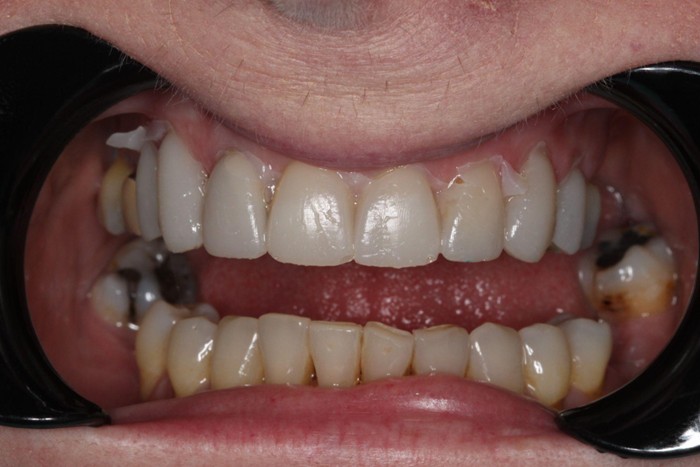
At Smile Art Lab, precision meets artistry. In the evolving world of digital dentistry, mock-ups serve as the bridge between vision and final outcome. They enable a realistic visualisation of the proposed smile, refining both aesthetics and function before fabrication. This essential stage transforms conceptual designs into tangible, predictable results that inspire confidence and collaboration among professionals.
Key Takeaways
- Mock-ups enhance communication and accuracy in restorative design.
- They allow early visual and functional assessment.
- Digital workflows streamline refinement and fabrication.
- Realistic prototypes reduce costly revisions.
Understanding the Role of Mock-Ups in Digital Dentistry
- In digital smile design, mock-ups are far more than aesthetic previews; they act as diagnostic and evaluative tools that bring digital concepts to life. A well-structured mock-up transforms two-dimensional designs into a tangible, three-dimensional representation, allowing for careful analysis, adjustment, and approval before any irreversible steps take place.
- By utilising precise 3D data capture and CAD/CAM integration, outcomes can be simulated with remarkable fidelity to natural anatomy. This approach ensures that every aspect of the design, from facial symmetry to occlusion and tooth proportion, aligns seamlessly, reinforcing both visual harmony and functional performance.
Why Mock-Ups Matter in Modern Dental Workflows
1. Predictability and Accuracy
Every smile presents a unique set of proportions and characteristics. Mock-ups offer a clear and accurate visualisation of tooth position, contour, and proportion relative to facial features. This level of precision allows potential discrepancies to be identified early, ensuring that the final restoration achieves optimal aesthetic predictability and functional accuracy. Such foresight not only refines the artistic aspect of dental design but also supports biomechanical stability and long-term success.
2. Efficient Collaboration
Mock-ups serve as an essential communication bridge among clinicians, ceramists, and dental technicians. With digital mock-ups, design data can be shared instantaneously across different locations, enabling a unified understanding of the intended outcome. This collaborative transparency reduces ambiguity, aligns creative vision with technical execution, and fosters a smoother workflow that saves valuable time.
3. Streamlined Fabrication
Once a design has been reviewed and approved, the mock-up data transitions seamlessly into the manufacturing stage. The same digital file used for planning can guide milling, 3D printing, or ceramic layering, preserving consistency and minimising human error. This streamlined continuity not only enhances production speed but also elevates the overall quality and repeatability of the final restoration. By removing unnecessary manual adjustments, the workflow becomes more predictable and efficient from concept to completion.
4. Reduced Remakes and Adjustments
Refining the design at the mock-up stage helps prevent extensive corrections later in the fabrication process. Small modifications made early can significantly reduce material waste, eliminate unexpected delays, and improve overall production reliability. This proactive method supports a more sustainable and resource-efficient workflow, ensuring that the final restoration meets both functional and aesthetic expectations with minimal need for revision.
Integrating Mock-Ups with Digital Smile Design (DSD)
- Digital Smile Design combines facial analysis, intraoral scanning, and 3D visualisation to produce restorations that harmonise with natural facial dynamics. Within this integrated system, mock-ups serve as a critical checkpoint, allowing professionals to assess the design in a realistic, patient-specific context before final fabrication begins.
- Research shows that incorporating digital tools and mock-ups into restorative workflows significantly improves predictability and consistency. This transition reflects a broader industry shift from subjective, experience-based design to data-driven precision, where each decision is guided by measurable parameters and visual validation.
A Step by Step View of the Digital Mock-Up Process
- Data Collection: High-resolution intraoral scans, digital photographs, and facial references are captured to establish an accurate baseline. These data points provide the foundation for designing restorations that are both functional and aesthetically aligned.
- Design Phase: Using advanced Digital Smile Design software, tooth alignment, proportions, and contours are carefully sculpted in a digital environment. This phase enables professionals to visualise how each adjustment influences the harmony between teeth and facial structure.
- Mock-Up Fabrication: The approved design is converted into a physical 3D-printed or milled prototype. This tangible model allows closer examination of form, symmetry, and bite alignment before committing to the final material.
- Evaluation & Refinement: The mock-up undergoes a detailed review, ensuring that both aesthetic and functional goals are met. Any necessary adjustments can be made directly within the digital model, providing immediate feedback and precision refinement.
- Finalisation: Once validated, the finalised data transitions seamlessly into the fabrication stage, directing the production of veneers, bridges, and crowns. Veneers enhance natural contours, bridges restore function and alignment, and each dental crown procedure maintains the same precision and balance achieved during the mock-up phase.
How Digital Mock-Ups Improve Professional Collaboration
- Digital mock-ups enhance collaboration by providing a unified, visual framework that aligns all contributors involved in the design process. Orthodontists, prosthodontists, and ceramists can review, comment, and suggest modifications within the same digital environment. This shared access encourages interdisciplinary input and ensures that every perspective, clinical, technical, and aesthetic, is accounted for before fabrication begins.
- Such collaborative synergy not only improves accuracy but also fosters a more efficient and transparent workflow. By minimising misunderstandings and creating a common visual language, digital mock-ups contribute to superior outcomes that meet both technical and aesthetic expectations.
Conclusion
At Smile Art Lab, the power of precision and design unite through digital innovation. Mock-ups are not just prototypes; they form the foundation of trust, accuracy, and aesthetic excellence within smile design. Every digitally planned smile begins as a vision, and through meticulous mock-up evaluation, that vision evolves into a refined and natural result. For professional collaboration or technical inquiries, contact us today to explore how advanced digital workflows can elevate restorative outcomes.
FAQs
1. What is a mock-up in digital smile design?
A mock-up is a digitally or physically produced model used to visualise and assess the appearance and function of a planned dental restoration before it is finalised.
2. Why are mock-ups important in dental design?
Mock-ups provide an opportunity to evaluate and refine aesthetic and functional aspects early in the process, improving precision and reducing the likelihood of revisions.
3. How are digital mock-ups created?
Digital mock-ups are generated using advanced 3D scanning and CAD/CAM software, allowing detailed design, 3D printing, or milling for review and adjustment.
4. Do mock-ups improve communication in digital workflows?
Yes. Mock-ups act as a shared visual reference that supports clearer communication between dental professionals involved in the design and fabrication process.
5. Can mock-ups contribute to cost efficiency?
Yes. Identifying and resolving potential issues during the planning phase helps minimise production errors, material waste, and additional fabrication time.
6. How are mock-ups applied within digital workflows?
Mock-ups are incorporated throughout the digital smile design process to validate form, function, and aesthetics, ensuring a consistent and predictable outcome.